Moisture mapping, commercial dehumidification, airflow, and monitored drying after water damage.
Removing standing water does not mean a structure is dry. Moisture can remain inside drywall, wood, flooring, insulation, concrete, and other building materials long after surfaces appear normal. Novaco provides professional structural drying and dehumidification across Greater Vancouver and the Lower Mainland using moisture readings, commercial drying equipment, and monitored drying plans.
1. Do not assume dry-looking surfaces are dry internally.
2. Avoid closing wet cavities before moisture is confirmed.
3. Keep drying equipment running as directed.
4. Use moisture readings to confirm progress.

Water moves into porous building materials and concealed assemblies where surface evaporation alone may be too slow. Controlled airflow and dehumidification help move moisture out of those materials while reducing humidity in the surrounding environment.
A good drying plan is adjusted as conditions change. Equipment placement, airflow, and dehumidification should respond to moisture readings rather than remain fixed for an arbitrary number of days.
Walls and wood assemblies can retain moisture behind the visible surface after a leak or flood.
Moisture can remain beneath laminate, vinyl, hardwood, carpet, and underlay.
Leaks from above can saturate ceiling cavities, insulation, and framing before visible staining appears.
Evaporation from wet materials increases indoor humidity, which can slow drying without adequate dehumidification.
Structural drying is a controlled process. We first identify where moisture remains, then use airflow and dehumidification to promote drying, and continue monitoring until the affected materials reach appropriate moisture targets.
Establish moisture conditions in affected and comparison materials before the drying plan is finalized.
Use commercial air movers and dehumidifiers according to the material, room layout, and moisture load.
Track readings during the drying cycle and confirm progress before equipment is removed or repairs begin.
Drying decisions should be based on the materials actually affected. We use professional moisture-detection tools to identify wet areas, establish drying goals, and monitor how each assembly responds over time.
We typically monitor:
✓ Drywall and plaster-type finishes
✓ Wood framing and subfloor
✓ Flooring and underlay
✓ Ceilings and insulation
✓ Temperature and relative humidity
✓ Adjacent materials used for comparison
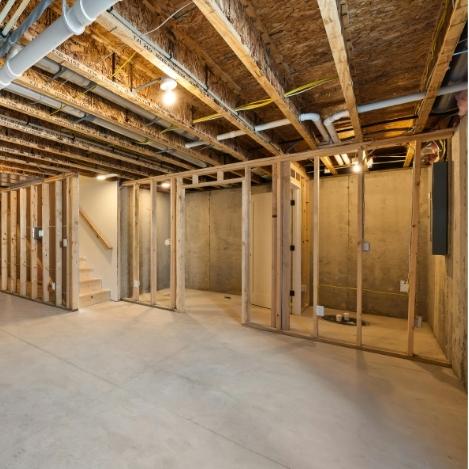
A successful drying project begins with moisture measurement and ends with verification. We define the affected materials, create appropriate airflow and dehumidification, monitor readings through the drying cycle, adjust equipment as conditions change, and confirm progress before reconstruction starts.
Identify which materials are wet and establish the boundaries of the affected area.
Create access where necessary and remove materials that prevent effective drying.
Position air movers and dehumidifiers according to room layout and moisture load.
Take readings, track drying progress, and modify equipment placement as conditions change.
Confirm drying progress before equipment is removed and repair work begins.
Surface appearance is not a reliable drying measurement. Moisture can remain behind paint, beneath flooring, inside wood, or within wall and ceiling cavities. Professional readings provide a better basis for deciding whether drying is complete.
Structural drying creates measurable data throughout a water-damage project. We record affected materials, moisture readings, environmental conditions, equipment placement, and monitoring results as the structure dries.
These records help show the progression from initial wet conditions toward drying targets and provide a clear basis for decisions about material removal, equipment changes, and when repair work can begin.
Record material moisture levels and identify the boundaries of the affected area.
Track temperature, humidity, and drying conditions while equipment is operating.
Document progress and the point at which affected materials are ready to move into repair.
Structural drying is the controlled removal of moisture from building materials such as drywall, wood, flooring, insulation, and other assemblies after a water loss.
No. Extraction removes standing or recoverable water, while structural drying addresses moisture that remains inside building materials after extraction.
As wet materials release moisture into the air, dehumidifiers remove that moisture and help maintain conditions that support continued evaporation and drying.
Air movers increase airflow across wet surfaces, which helps moisture evaporate from affected materials so it can be removed by dehumidification.
The timeline depends on the materials, amount of water, temperature, humidity, airflow, and depth of moisture. Many projects require several days of monitored drying.
Professional moisture meters are used to compare readings in affected materials with appropriate drying targets or unaffected comparison areas.
Sometimes. Whether flooring can be dried in place depends on the flooring system, water source, saturation, subfloor conditions, and accessibility.
No. Selective opening is used when necessary for access, contamination, damage, or effective drying. Some wall assemblies can be dried without full removal.
Proper drying reduces how long building materials remain wet, which helps reduce conditions that support mold growth. Hidden moisture still needs to be identified and addressed.
Yes. Temperature and relative humidity can be monitored along with material moisture readings to understand how the drying environment is performing.
Yes, in many situations wood framing can be dried with controlled airflow and dehumidification, provided contamination and material condition allow restoration.
Yes. We provide structural drying for homes, condos, strata buildings, offices, retail spaces, warehouses, and other commercial properties.
Yes. We can document moisture readings, affected materials, equipment use, environmental conditions, monitoring progress, and restoration work. Coverage is determined by the insurer.
Repairs should generally wait until affected materials have reached appropriate moisture conditions. Closing wet assemblies too early can trap moisture inside the structure.
Call Novaco for moisture mapping, commercial dehumidification, monitored drying, and water-damage restoration across Greater Vancouver.

Novaco Restoration is a Vancouver based restoration company offering comprehensive services including water damage restoration, fire and smoke damage repair, mold remediation, weather damage restoration, residential and commercial restoration, content management, repair and renovation, special cleaning and general cleaning. Licensed, insured, and dedicated to quality workmanship and customer satisfaction, we are here to restore your property and your peace of mind.
#1, 636 Clyde Ave, West Vancouver, BC
V7T 1E1
© 2026 Novaco Restoration & Construction Ltd. All rights reserved.