24/7 Fire & Smoke Damage Restoration in Greater Vancouver & the Lower Mainland
Smoke & Soot Cleanup, Odour Removal & Complete Property Restoration
A fire can leave damage far beyond the visible burn area. Smoke, soot, odours and firefighting water may affect walls, ceilings, contents and concealed building materials. Novaco Restoration & Construction provides fire and smoke damage assessment, targeted cleaning, contents management and repairs for homes, strata buildings and commercial properties throughout Greater Vancouver.
- 24/7 Fast Response
- Certified Technicians
- End-to-End Service
- Licensed & Insured

Why Choose Novaco Restoration?
Professional Fire & Smoke Damage Restoration — 24/7 Emergency Service

24/7 Emergency services
Fire and smoke losses need prompt attention once authorities permit access. Our restoration team is available 24/7 to discuss emergency conditions, site stabilization and the next steps for professional assessment.

IICRC Certified Technician
Our team uses professional restoration procedures suited to the surfaces and contaminants involved, including HEPA vacuuming, dry and wet cleaning where appropriate and careful documentation of affected materials.

Insurance Assistance
We document affected areas, visible fire and smoke impacts, required removal, cleaning, contents handling and repairs to help you communicate with your insurance adjuster. Coverage remains subject to your policy.

Competitive Price & Free stimate
We prepare a project-specific scope and estimate according to the actual damage, materials and access requirements. When cleanup is complete, Novaco can coordinate repairs to return the property to normal.

High Performance Equipment
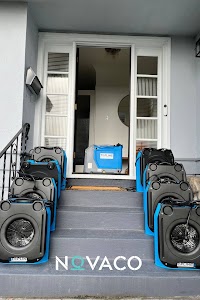
Our equipment can include HEPA air filtration and vacuum systems, controlled cleaning tools, air movers and dehumidifiers when suppression water has affected the structure. Equipment is selected for the conditions.

Local BC Brand
We serve homeowners, strata properties, property managers, and businesses throughout Greater Vancouver and the Lower Mainland with responsive local service.
What to Do
✓ Follow the fire department’s re-entry instructions.
✓ Contact your insurer and notify your strata or property manager where applicable.
✓ Document accessible damage only when it is safe to do so.
✓ Arrange a professional fire and smoke damage assessment.
What Not to Do
✕ Do not re-enter before authorities permit access.
✕ Do not turn on affected electrical or HVAC systems before qualified inspection.
✕ Do not rub soot with household sponges or ordinary cleaners.
✕ Do not discard damaged belongings before documenting them and checking claim requirements.
Causes & Signs of Fire and Smoke Damage
Common Causes
Cooking incidents, electrical or appliance faults, heating equipment and fires in neighbouring units can all result in fire and smoke damage. Even a contained fire may produce widespread soot and odour residues.
- Burst or leaking water supply lines
- Dishwasher, washing machine, refrigerator, and appliance leaks
- Toilet, sink, bathtub, and plumbing overflows
- Water heater leaks or failures
- Roof and building-envelope leaks
- Basement and lower-level flooding
- Sewer or drain backups
- Rainwater and drainage-related intrusion
Common Signs of Hidden Damage
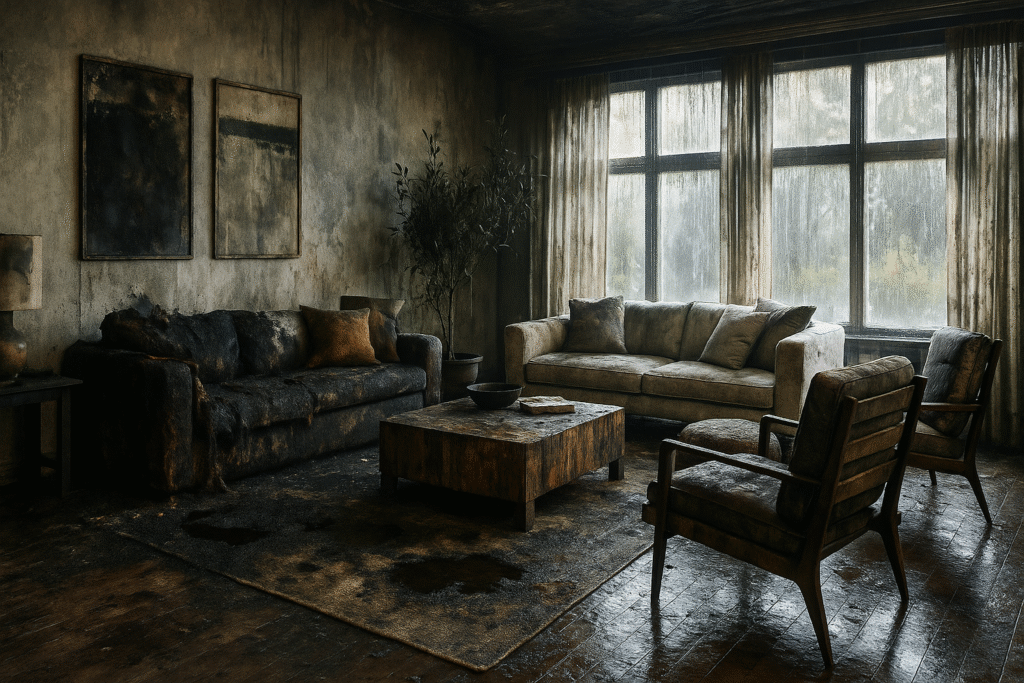
Look for soot staining around vents and ceiling edges, persistent smoke odours, discoloured finishes, heat-damaged materials, oily deposits and water damage from fire suppression. Some affected cavities and contents may need further assessment.
- Water stains or discoloration on ceilings and walls
- Peeling, bubbling, or cracked paint
- Soft, swollen, or damaged drywall
- Warped or buckled flooring
- Swollen baseboards or trim
- Persistent damp or musty odours
- Unexplained moisture around windows, fixtures, or cabinets
- Visible mold growth after a leak or previous water event
Types of Fire & Smoke Damage We Handle
Fire losses vary by ignition source, materials burned, smoke movement and water used to extinguish the fire. Novaco assesses these conditions to determine a practical cleaning, removal, drying and repair scope.
✔ Kitchen Fires
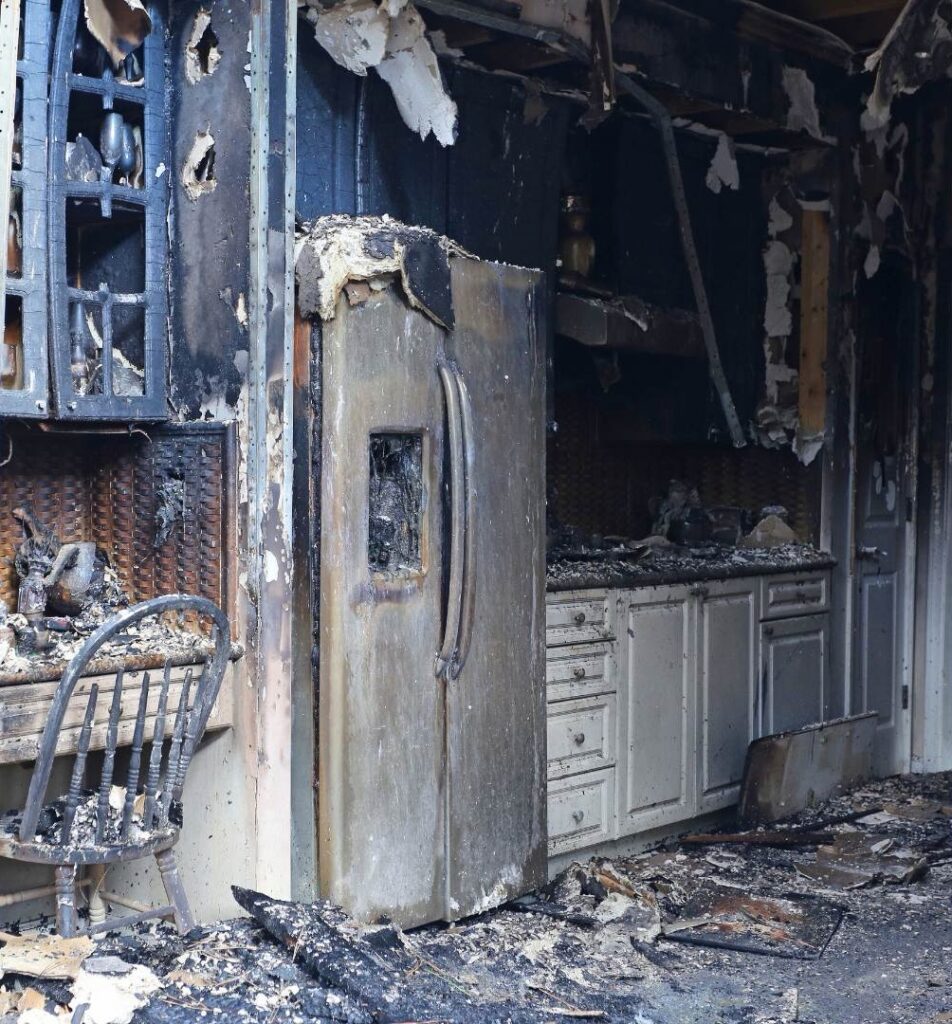
Cooking fires can spread smoke, greasy soot and odours over cabinets, ceilings, appliances and nearby rooms. We evaluate which materials can be cleaned and which require replacement.
✔ Electrical Fires
Electrical or appliance fires may leave localized heat damage and residue beyond the point of origin. A qualified electrician must assess affected wiring or equipment.
✔ Smoke Damage
Smoke can travel through doorways, corridors and ventilation pathways, affecting rooms or neighbouring units that were never touched by flames.
✔ Soot Contamination
Fine dry or oily soot can settle on painted walls, ceilings, fixtures and contents. Cleaning methods depend on the residue and surface material.
✔ Firefighting Water Damage
Water used to extinguish a fire can saturate flooring, drywall and insulation. Extraction, moisture assessment and structural drying may be necessary before repairs.
✔ Smoke Odour
Persistent smoke odours may come from contaminated porous materials or concealed areas. Proper treatment starts with identifying and cleaning or removing the sources.
✔ Structural Fire Damage
Heat and flames may compromise interior finishes or structural components. Unsafe areas require appropriate qualified assessment before cleaning or reconstruction.
✔ Adjacent-Unit Smoke
Smoke from another unit can migrate into shared spaces and residences. We assess accessible surfaces and contents to determine the appropriate cleaning scope.
One Team From Fire Cleanup to Repairs
Fire restoration includes more than cleaning black marks. We assess smoke and soot contamination, odour sources, damaged materials, affected contents and any water from fire suppression, then coordinate suitable cleanup and repairs.

✔ Emergency Assessment
After authorities permit entry, our team can evaluate visible damage, identify next steps and document affected areas.
✔ Soot & Smoke Cleaning
Surface-specific techniques may include HEPA vacuuming, dry cleaning and controlled wet cleaning where suitable.
✔ Odour & Air Filtration
Addressing the contamination source is essential. Filtration and deodorization may be incorporated where appropriate.
✔ Repair & Reconstruction
We can replace damaged drywall, insulation, trim, flooring and other finishes, then paint and complete approved interior repairs.
Steps in Our Fire & Smoke Damage Restoration Process
Every fire loss is different. Our process is adapted to access permissions, safety concerns, contamination, salvageability and the extent of reconstruction.
Emergency Contact & Fire Assessment
Describe the incident and arrange assessment once emergency authorities allow access.
Fire & Smoke Damage Inspection
Inspect accessible areas for soot, heat impact, smoke migration and fire suppression water.
Protection & Damaged Material Removal
Protect unaffected areas and remove approved non-restorable materials with suitable precautions.
Smoke & Soot Cleaning
Use material-appropriate HEPA vacuuming, dry or wet cleaning to treat salvageable surfaces.
Odour Treatment & Contents Care
Address odour sources, clean salvageable contents and arrange pack-out when included in the scope.
Repair & Reconstruction
Rebuild and refinish affected surfaces, including drywall, trim, flooring and painting as required.
Fire & Smoke Damage Risks in Greater Vancouver Properties
Smoke and soot can travel well beyond the area burned. Vancouver-area homes, condominiums and commercial buildings may also experience odours, damaged finishes, affected contents and water from firefighting.
Condos & Strata Buildings
A fire in one unit may affect neighbouring suites or common property through smoke migration. Coordination with strata and property management is important.

Detached Homes
A house fire can affect kitchens, living areas, attics and contents. Cleaning and reconstruction depend on the damage and accessibility of materials.
Older Buildings
Older building materials and concealed cavities may require further investigation. Hazardous-material assessments may be necessary before disturbance of suspect materials.
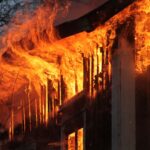
Commercial Properties
Smoke residues and odours can disrupt offices, shops and other commercial interiors. A documented cleanup and repair plan helps organize restoration.
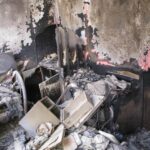
Contents Protection, Pack-Out & Cleaning
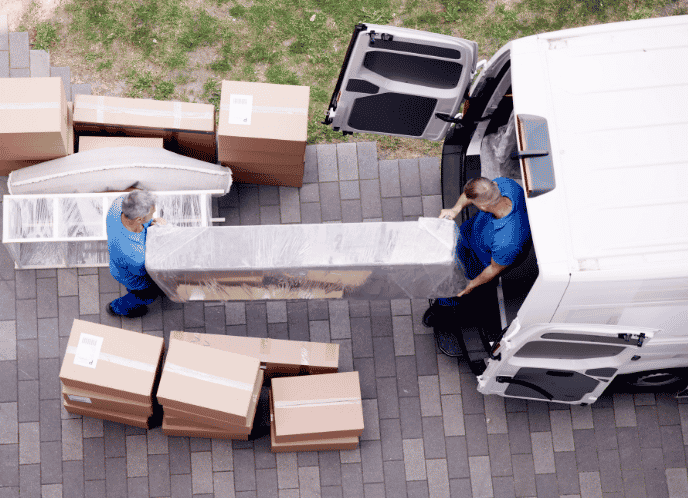
Smoke and soot can affect furniture, clothing, electronics, documents and other belongings. Where included in the project, Novaco can inventory, pack out, arrange cleaning or storage, and return salvageable items. Not everything can be restored; material type, heat exposure and contamination determine the options.
Water Damage Can Lead to Mold If Moisture Remains
Water used to extinguish a fire may soak flooring, walls, insulation and hidden cavities. Moisture assessment, extraction, drying and monitoring can be necessary before rebuilding. Properly addressing this moisture also helps reduce secondary damage.
Area We Serve
Novaco provides fire and smoke damage restoration in Vancouver, North Vancouver, West Vancouver, Burnaby, Richmond, Surrey, Coquitlam and surrounding Lower Mainland communities. Call to discuss access and site conditions.
Fire and smoke cleanup, soot removal, odour treatment and reconstruction support for homes, condominiums, strata and commercial properties in Vancouver.
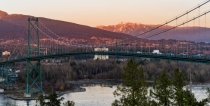
Fire, smoke and soot cleanup with contents handling and repairs for North Vancouver properties.
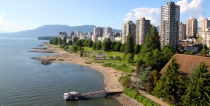
Fire and smoke restoration services for West Vancouver homes, townhouses and strata buildings.
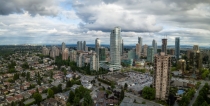
Soot cleaning, odour treatment, affected-material removal and repairs for Burnaby properties.
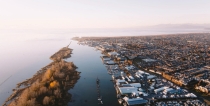
Fire and smoke damage assessment, cleaning and reconstruction for Richmond homes and businesses.
Fire and smoke cleanup and repair coordination for Surrey residential and commercial properties.
Smoke and soot restoration services for homes, condos and commercial buildings in Coquitlam.
Fire damage cleanup, smoke odour treatment and repair services for New Westminster properties.
Professional fire, soot and smoke damage services for Port Moody homes and strata properties.
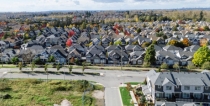
Fire and smoke damage mitigation, cleaning and reconstruction for Langley properties.
Don't See your area?
We May still be able to help! Contact us today to confirm services availability in your location.
Frequently Asked Questions About Fire & Smoke Damage in Greater Vancouver
What should I do immediately after a fire?
Follow fire authority instructions and do not re-enter until permitted. Notify your insurer and arrange professional inspection of accessible damage.
What is fire and smoke damage restoration?
It includes assessing fire-related damage, cleaning smoke and soot residue, addressing odours and contents, removing non-restorable materials and completing approved repairs.
Can smoke damage rooms without flames?
Yes. Smoke and soot can move through openings, corridors and ventilation pathways and settle far from the fire.
Can soot be removed from walls and ceilings?
Some finished surfaces can be cleaned, but results depend on residue type, materials and heat damage. Others may need replacement.
Can smoke odour be removed?
Often odours can be reduced or eliminated by addressing affected materials and residues. Results depend on the contamination and access to the source.
Should I paint over soot?
Not before appropriate cleaning and preparation. Soot and odours may remain beneath paint; suitable primers are considered after cleaning when indicated.
How is soot professionally cleaned?
Depending on conditions, methods may include HEPA vacuuming, dry soot sponges, detailed surface cleaning and compatible wet-cleaning methods.
Can furniture be restored after a fire?
Some furniture and belongings can be cleaned; salvageability depends on materials and the extent of heat, soot, smoke and water exposure.
What happens to belongings during restoration?
Where included in the scope, items can be inventoried, packed out, cleaned, stored and moved back once suitable.
What is a content pack-out?
It is a documented removal and handling of belongings to allow appropriate cleaning or repairs.
How long does fire restoration take?
Duration depends on damage, accessibility, materials, specialist inspections, drying needs and the extent of repairs.
Is a smoke-affected home safe to occupy?
Do not assume it is. Follow fire authority guidance and have structural, electrical and contamination concerns assessed by qualified professionals.
What if smoke came from a neighbouring condo?
Smoke can migrate between units. An assessment identifies accessible affected surfaces, contents and possible migration pathways.
Does firefighting water need drying?
Yes, where water has affected materials. Extraction, drying and moisture monitoring may be needed before reconstruction.
Do you repair fire-damaged drywall and flooring?
Yes. Novaco can coordinate removal of affected interior materials and approved reconstruction and finishing.
Does insurance cover smoke and soot cleaning?
Coverage depends on the policy, cause of loss, exclusions and insurer decisions. We can provide documentation and estimates to support communication.
Can I choose my own restoration company?
Owners can generally discuss their contractor choice with their insurer, subject to policy terms and any applicable strata requirements.
Do HVAC systems need cleaning after smoke exposure?
Potentially. If smoke entered a system, an appropriate qualified professional should evaluate it before normal use.
Can you restore a commercial property after a fire?
Yes. Novaco can assess affected commercial interiors and coordinate cleaning, contents handling and repairs within the agreed scope.
What does fire damage restoration cost?
Costs vary with fire and smoke extent, the materials affected, equipment needs, contents handling and reconstruction scope.
Does Novaco provide 24/7 fire damage service?
Yes. Contact Novaco at (604) 400-4800 to discuss the loss, safe access and next steps for assessment.