24/7 Burst Pipe Water Damage Cleanup & Restoration
Rapid extraction, moisture detection, structural drying, and repair after burst or leaking pipes.
A burst pipe can release water faster than building materials can absorb it, allowing moisture to spread through floors, ceilings, insulation, wall cavities, and adjoining rooms. Novaco responds to burst-pipe losses across Greater Vancouver and the Lower Mainland with water extraction, moisture mapping, controlled drying, documentation, and repairs.
1. Shut off the water if it is safe. 2. Avoid electrical hazards and wet ceilings. 3. Move valuables away from the affected area. 4. Arrange moisture assessment and drying promptly.
Pipe failures frequently occur inside walls, ceilings, utility rooms, bathrooms, kitchens, or mechanical spaces. Once water escapes, gravity and building cavities can carry it well beyond the original break point.
That is why restoration should include moisture mapping in adjacent rooms, floors below, ceiling assemblies, and concealed materials—not just cleanup at the visible source.
Frozen or Split Pipes
Cold weather or exposed plumbing can cause pipes to crack and release water when pressure changes or the line thaws.
Failed Supply Lines
Flexible connectors and plumbing supply lines can fail suddenly at sinks, toilets, appliances, or fixtures.
Aging Plumbing
Corrosion, weakened fittings, and older piping can create leaks that escalate into larger water losses.
Hidden Pipe Leaks
A pipe can fail behind drywall or above a ceiling, allowing moisture to spread before the problem is discovered.
Control the Water. Trace the Moisture. Dry the Structure.
The visible pipe break is only the starting point. Restoration focuses on stopping further damage, locating where the water migrated, and drying the building materials that were actually affected.
01 — Stabilize
Coordinate source control, protect the affected area, and remove standing water where necessary.
02 — Map Moisture
Check ceilings, floors, walls, and adjoining spaces to determine the actual spread of water.
03 — Dry & Repair
Dry affected materials with monitored equipment, then repair finishes that could not be saved.
What We Check After a Burst Pipe
Water from a pipe failure can move vertically and horizontally through a building. We check the source area and follow the likely moisture path to determine which assemblies require drying or selective access.
We typically assess:
✓ Walls and ceilings around the pipe failure ✓ Flooring, subfloor and underlay ✓ Insulation and framing cavities ✓ Rooms below or beside the source ✓ Cabinets and built-in finishes ✓ Contents in the affected zone
Our Burst Pipe Restoration Process
Burst-pipe restoration should follow the movement of the water rather than the size of the visible leak. We identify the source, extract water, map hidden moisture, remove only materials that cannot be effectively dried, monitor the structure, and complete repairs after drying targets are reached.
1. Source & Safety
Confirm the water source is controlled and identify electrical, ceiling, or access concerns.
2. Extract
Remove standing water and protect unaffected areas or contents where possible.
3. Moisture Map
Trace water through flooring, ceilings, walls, insulation, and adjoining rooms.
4. Dry & Monitor
Install drying equipment and adjust it based on repeated moisture readings.
5. Rebuild
Restore drywall, flooring, insulation, trim, paint, and other finishes after drying.
Hidden Moisture After a Pipe Failure
Once the plumbing repair is complete, moisture can still remain behind walls, under flooring, or inside ceiling assemblies. Those concealed areas should be identified and dried properly to reduce the risk of material deterioration, odour, or mold growth after the visible leak is gone.
Burst-pipe claims often involve more than the room where the plumbing failed. We document the source area, affected rooms, moisture readings and mapping, project photos, drying equipment, and materials removed during mitigation.
These records help show how the water travelled and why specific drying or repair work was required. Coverage is determined by the insurer, but a clear restoration file supports communication between the property owner, adjuster, strata, and restoration team.
Moisture Readings & Migration Map
Show where water travelled from the pipe failure and which materials required drying or access.
Project Photos & Monitoring
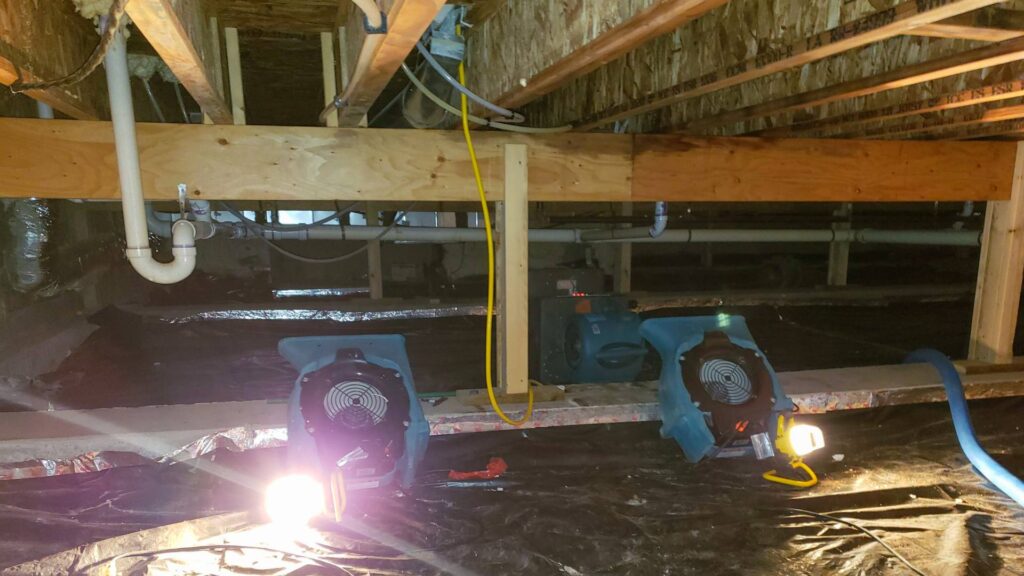
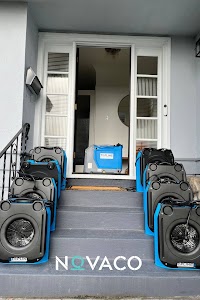
Record visible conditions, drying setup, moisture progress, and key restoration stages.
Repair Completion
Document the transition from emergency mitigation into final repair and restoration.
Frequently Asked Questions
What should I do first if a pipe bursts?
If it is safe, shut off the water supply, avoid electrical hazards and unstable wet ceilings, move valuables away from the affected area, and arrange professional water extraction and moisture assessment.
How far can water travel from a burst pipe?
Water can move through wall cavities, floor assemblies, ceilings, insulation, and service penetrations. In multi-level properties, rooms below the source may be affected even when the visible leak is upstairs.
Do I need restoration after the plumber fixes the pipe?
Often, yes. The plumber stops or repairs the source, while restoration addresses the resulting water in building materials through extraction, moisture detection, structural drying, cleaning, and repairs.
Can wet drywall be dried after a burst pipe?
Sometimes. Drywall may be retained when conditions allow effective drying, while saturated, deteriorated, contaminated, or inaccessible material may need selective removal.
Can hardwood flooring be saved after a pipe leak?
It depends on the amount of water, how long it remained wet, the flooring construction, and moisture in the subfloor. Early extraction and controlled drying improve the chance of successful restoration.
How long does structural drying take after a burst pipe?
Drying time depends on the amount of water, materials affected, temperature, humidity, and the depth of moisture. Many projects require several days of monitored drying.
Can a burst pipe affect a unit below in a condo?
Yes. Water can travel through floors, ceilings, pipe penetrations, and common assemblies. Units below or adjacent to the source may need moisture assessment.
Do you handle frozen-pipe water damage?
Yes. We restore water damage caused by frozen or split pipes after the plumbing source has been controlled, including extraction, moisture mapping, drying, and repairs.
How do you find hidden water behind walls?
We use professional moisture-detection tools to test drywall, wood, flooring, ceilings, and other materials, then follow elevated readings to define the affected area.
Can a burst pipe cause mold?
Yes. If water remains trapped in drywall, insulation, flooring, or framing, conditions can support mold growth. Proper moisture detection and drying are important even after the pipe is repaired.
Do you remove insulation after a pipe leak?
Only when conditions require it. Insulation that is heavily saturated, contaminated, damaged, or preventing effective drying may need removal.
Can Novaco document a burst-pipe loss for insurance?
Yes. We can document affected areas, moisture readings, project photos, equipment use, material removal, and restoration work. The insurer determines coverage.
Do you restore burst-pipe damage in commercial properties?
Yes. We handle pipe-related water losses in offices, retail spaces, strata common areas, warehouses, and other commercial properties.
Can Novaco complete repairs after drying?
Yes. After moisture levels are brought under control, we can repair drywall, insulation, flooring, baseboards, paint, and other damaged finishes.
Burst Pipe Water Damage? We’re Ready 24/7.
Call Novaco for rapid water extraction, moisture mapping, structural drying, documentation, and repair after a burst or leaking pipe.