Fast removal of standing water followed by moisture mapping and professional structural drying.
When standing water is left in a property, it can quickly soak into flooring, drywall, insulation, framing, and contents. Novaco provides 24/7 emergency water extraction across Greater Vancouver and the Lower Mainland for residential, strata, and commercial properties, followed by moisture assessment and structural drying.
1. Stop the source if it is safe.
2. Stay away from electrical hazards.
3. Protect valuables where possible.
4. Start professional extraction before water spreads further.

Wet vacuums and household equipment may remove surface water, but larger losses often require professional extraction to remove water efficiently from flooring, carpet, lower-level areas, and other affected surfaces.
Extraction is only the first phase. Once standing water is removed, moisture readings are used to determine what remains wet and what drying equipment is required.
Burst pipes, supply-line failures, and leaking fixtures can release large volumes of water in a short period.
Washing machines, dishwashers, refrigerators, and water heaters can flood kitchens, laundry rooms, and lower levels.
Sinks, tubs, toilets, and floor drains can overflow and spread water across several rooms.
Heavy rain and exterior intrusion can create standing water in basements, lower levels, and commercial spaces.
The goal is not simply to remove visible water. A complete response removes standing water, checks how far moisture travelled, then dries affected building materials so the property can move safely toward repair.
Use professional extraction equipment to reduce standing water and surface saturation quickly.
Check floors, walls, ceilings, and adjoining areas for water that cannot be seen from the surface.
Install drying equipment and track moisture readings until affected materials reach appropriate targets.
Even after the floor looks dry, moisture may remain beneath flooring, inside drywall, or in insulation and framing. We check likely moisture pathways before deciding the drying scope.
We typically assess:
✓ Flooring and underlay
✓ Drywall and baseboards
✓ Ceilings and wall cavities
✓ Insulation and framing
✓ Adjacent rooms and lower levels
✓ Contents exposed to the water
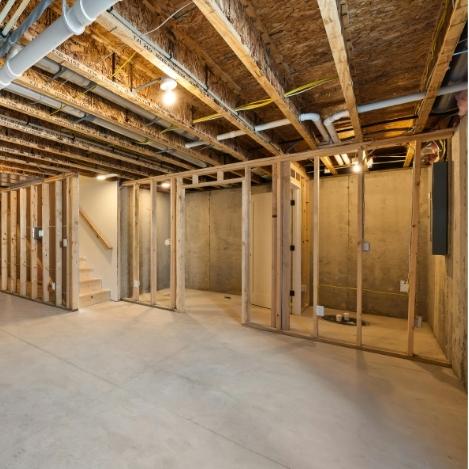
Emergency water removal works best when extraction and drying are planned together. We stabilize the loss, remove standing water, map residual moisture, install drying equipment according to affected materials, and continue monitoring until the structure is ready for repair.
Identify the source, water category, affected areas, and immediate safety concerns.
Remove standing water and reduce saturation in flooring and accessible materials.
Map residual moisture beneath surfaces and in adjoining building assemblies.
Set commercial air movers and dehumidifiers according to the drying conditions.
Repair finishes that were damaged or removed after the structure is properly dry.
Visible water can disappear while significant moisture remains inside porous materials and concealed assemblies. Structural drying and moisture monitoring are what confirm whether affected materials are actually drying, helping reduce the risk of swelling, deterioration, odour, and mold growth.
For larger or insurance-related losses, we document where standing water was found, the affected areas, moisture readings, extraction work, drying equipment, and progress during monitoring visits.
This creates a clear record of how the project moved from emergency water removal into structural drying and repair. Coverage is determined by the insurer, but complete records can make the restoration process easier to understand for all involved parties.
Record the affected rooms and moisture conditions after extraction begins.
Track equipment placement and moisture changes as materials dry.
Document the transition from emergency response into final reconstruction.
Call when there is standing water, widespread wet flooring, active migration into walls or lower levels, or a loss too large to manage safely with household equipment.
No. Extraction removes standing or recoverable water, while structural drying removes moisture that remains inside building materials through controlled airflow and dehumidification.
Water can migrate into flooring, drywall, insulation, cabinetry, and lower levels within a short period, especially when the source releases a large volume.
In some clean-water losses, professional extraction may remove water from carpet and underlay, but whether those materials can remain depends on contamination, saturation, and condition.
The property is checked for hidden moisture, affected materials are evaluated, drying equipment is installed, and moisture readings are monitored until drying targets are reached.
Yes. We provide emergency extraction for basements and lower levels, followed by moisture assessment, structural drying, cleanup, and repairs when required.
Yes. We work in condos and strata properties where water may affect multiple suites, common areas, ceilings, floors, or shared assemblies.
Rapid extraction and proper drying reduce the amount of time materials remain wet, which helps reduce conditions that support mold growth. Hidden moisture still needs to be identified and dried.
Yes, when conditions require them. Dehumidifiers remove moisture from the air while air movers help increase evaporation from wet materials.
Drying progress is tracked with professional moisture readings rather than relying only on how surfaces feel or look.
Yes, but contaminated-water losses require additional controls, cleaning, sanitization, and material-removal decisions beyond standard clean-water extraction.
Yes. We respond to washing-machine, dishwasher, water-heater, sink, tub, toilet, and other appliance or fixture-related water losses.
Yes. We can document affected areas, extraction, moisture readings, equipment use, and restoration work. Insurance coverage is determined by the policy and insurer.
Yes. We can continue into drywall, flooring, insulation, baseboard, paint, and other repair work after mitigation is complete.
Call Novaco 24/7 for fast water removal, moisture assessment, structural drying, and repair across Greater Vancouver and the Lower Mainland.

Novaco Restoration is a Vancouver based restoration company offering comprehensive services including water damage restoration, fire and smoke damage repair, mold remediation, weather damage restoration, residential and commercial restoration, content management, repair and renovation, special cleaning and general cleaning. Licensed, insured, and dedicated to quality workmanship and customer satisfaction, we are here to restore your property and your peace of mind.
#1, 636 Clyde Ave, West Vancouver, BC
V7T 1E1
© 2026 Novaco Restoration & Construction Ltd. All rights reserved.