
Heavy rain and rising river levels have triggered flood warnings and evacuation orders across Abbotsford and the southern Fraser Valley. Local authorities have declared a state of emergency as rivers swell from a powerful atmospheric river and weeks of above-average rainfall. This blog explains the current situation, what residents should do, and how to protect your home from water damage and flooding impacts.
Current Flood Situation in Abbotsford and the Fraser Valley
Local officials in Abbotsford have issued evacuation orders for hundreds of properties in the Sumas Prairie West area due to imminent flooding risk. Additional evacuation alerts continue for other low-lying areas, and highways connecting the Lower Mainland to the interior remain affected by closures. A reception centre has been set up for residents needing assistance.
The heavy rain system that hit southern British Columbia has already produced up to 150 millimetres of rainfall in parts of the Fraser Valley. Although rain has eased in some areas, rivers including those crossing the Canada-U.S. border are still swelling and presenting flood hazards.
What a Flood Warning Means
A flood warning is issued when river levels have exceeded or are expected to exceed riverbanks soon, putting nearby properties at risk of flooding. Residents in flood warning areas — including Abbotsford, Chilliwack, Hope, and other parts of the eastern Fraser Valley — should be especially vigilant.
Who Is Most at Risk
Low lying areas near rivers, creeks, and old flood plains such as Sumas Prairie are particularly vulnerable during flood warnings. Past events, including significant flooding in the Fraser Valley in 2021 when river overflow reached major levels, show how quickly conditions can escalate when rain and river flows combine.
Immediate Actions Residents Should Take
- Follow all evacuation orders from local authorities without delay.
- Prepare an emergency grab-and-go bag with important documents, medication, and essentials.
- Keep updated with verified information from Emergency Management BC, Environment Canada, and city alert systems.
- Avoid driving or walking through floodwater, as even shallow water can hide hazards.
Protecting Your Property from Flood Damage
If you are in an affected area and haven’t evacuated, take preventative steps to reduce water entry into your home:
- Move valuables, furniture, and appliances off floors
- Clear gutters and downspouts of debris where safe to do so
- Use sandbags around entry points if available
- Drag electrical cords and devices away from ground-level water
How Novaco Restoration Can Help After Flooding
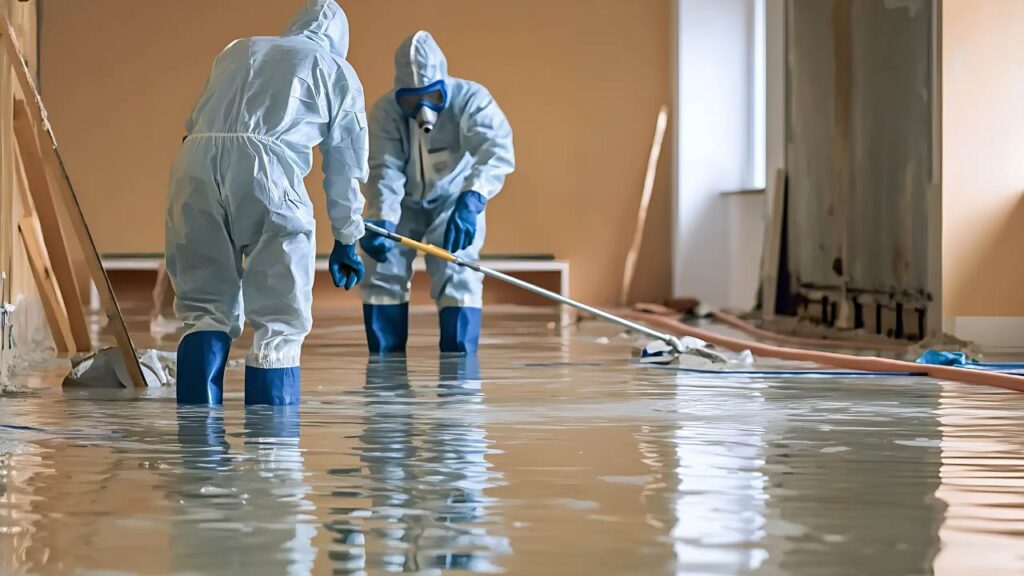
Flood damage requires professional response because standing water and moisture quickly lead to mold growth, structural weakening, and hidden damage. At Novaco Restoration, we provide:
- 24/7 emergency water extraction and flood cleanup
- Drying and dehumidification to stop mold before it spreads
- Sanitization and odor removal
- Complete restoration of drywall, flooring, and insulation
- Insurance documentation to support your claim
Call Novaco Restoration anytime at 604-400-4800 for fast flood response across Vancouver and the Fraser Valley.
Frequently Asked Questions
What should I do if I see water entering my home?
Stop the source if safe to do so, document the damage with photos, and call professionals immediately to extract water and begin drying. Standing water should not be ignored. Certified restoration prevents further structural damage and mold growth.
Is mold likely after flooding?
Yes. Mold can start growing within 24 to 48 hours in damp conditions, especially in a humid climate like this region. Professional drying and moisture control are key to preventing mold after flood events.
Will my insurance cover flood damage?
Standard home insurance often does not cover flooding from river overflow. Flood coverage varies by policy, and flood-specific insurance is recommended in high-risk areas. Consult your provider and document all damage thoroughly.
How long does flood restoration take?
The timeline depends on the severity of water intrusion and materials affected. Minor flooding may take a few days to dry and repair. Major events with deep water can take a week or more for complete restoration.