Black mold is one of the most serious indoor problems homeowners face in Vancouver. Due to constant rain, high humidity, and older buildings, mold growth is very common. Black mold is not just an appearance issue. It can affect your health, damage your home, and spread quickly if not handled properly.
This guide explains what black mold is, why it is dangerous, how it affects Vancouver homes, and when professional mold remediation is needed.
What Is Black Mold
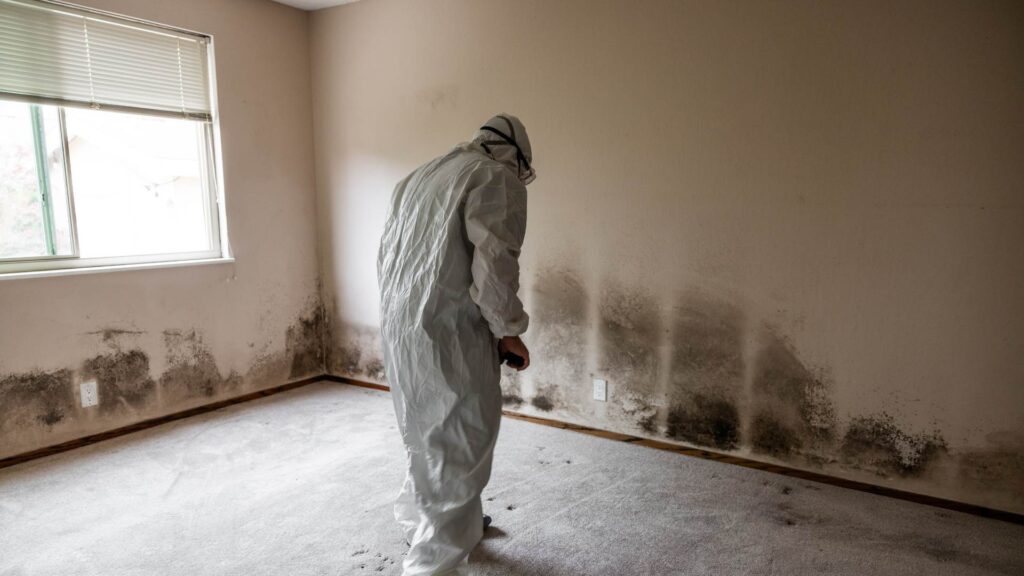
Black mold is a type of mold that grows in damp and humid environments. It often appears dark green or black and develops on materials like drywall, wood, insulation, and flooring. Black mold grows when moisture is present for an extended period, especially after water damage or leaks.
Why Black Mold Is Common in Vancouver
Vancouver’s climate creates the perfect environment for black mold. Long rainy seasons, high humidity, and limited airflow inside homes allow moisture to build up. Once moisture becomes trapped inside walls or basements, mold begins to grow.
- Frequent rain and damp weather
- Older plumbing systems and hidden leaks
- Basements with poor ventilation
- Past water damage that was not dried properly
Health Risks of Black Mold Exposure
Black mold can cause health problems, especially for children, seniors, and people with allergies or respiratory conditions. Even healthy individuals may experience symptoms after prolonged exposure.
- Chronic coughing or sneezing
- Headaches and fatigue
- Worsening asthma symptoms
- Eye and skin irritation
- Sinus congestion and breathing difficulty
When mold spores become airborne, they reduce indoor air quality and can affect everyone living in the home.
Structural Damage Caused by Black Mold
Black mold does not only affect health. It slowly breaks down building materials. Over time, mold weakens drywall, wood framing, insulation, and flooring. If ignored, repairs can become extensive and expensive.
Signs You May Have Black Mold in Your Home
- Strong musty odors that do not go away
- Dark spots on walls, ceilings, or baseboards
- Peeling paint or bubbling drywall
- Soft or warped flooring
- Recent water damage or flooding
Can You Remove Black Mold Yourself
Small surface mold may seem easy to clean, but black mold often grows deep inside walls and materials. DIY cleaning usually removes only visible mold and does not fix the moisture source. This allows mold to return quickly.
Improper cleaning can also release mold spores into the air, making the problem worse.
Why Professional Mold Remediation Is Important
Professional mold remediation removes mold safely and completely. Certified specialists locate hidden mold, control moisture, and restore affected areas so mold does not return.
Learn more about our professional mold remediation services in Vancouver
Black Mold After Water Damage
Black mold often appears after water damage that was not dried properly. Even small leaks can lead to mold growth inside walls and floors.
Professional water damage restoration helps prevent mold by fully drying and treating affected areas.
How Novaco Restoration Handles Black Mold
- Detailed mold inspection and moisture detection
- Containment to stop mold from spreading
- HEPA air filtration for indoor air safety
- Safe removal of contaminated materials
- Cleaning and sanitizing affected areas
- Drying and moisture control
- Full repair and restoration services
Protect Your Home and Health
Black mold should never be ignored. The longer it remains, the more damage it causes. Early professional remediation protects your home, your health, and your investment.
Call Novaco Restoration 24 hours a day at 604 400 4800 for black mold inspection and remediation in Vancouver.
Frequently Asked Questions
Is black mold more dangerous than other mold
Black mold can produce toxins and should always be treated seriously, especially in indoor environments.
How fast does black mold grow
Black mold can begin growing within 24 to 48 hours when moisture is present.
Does insurance cover black mold removal
Coverage depends on the cause. Mold caused by sudden water damage may be covered. Long term moisture is often excluded.
Can black mold return after removal
If moisture is not fixed, mold can return. Professional remediation focuses on moisture control to prevent recurrence.