24/7 Sewage Backup Cleanup & Contaminated Water Restoration
Safe cleanup, removal, sanitization, drying, and repair after sewage or drain backups.
Sewage backups require a different response than a clean-water leak because the affected area may contain harmful contaminants. Novaco provides controlled sewage cleanup for homes, condos, strata properties, and businesses across Greater Vancouver and the Lower Mainland, with a focus on safe material handling, detailed cleaning, drying, and restoration.
In the meantime, 1. Keep people and pets out of the affected area. 2. Avoid contact with contaminated water. 3. Do not use household fans to spread air through the space. 4. Call a restoration team for controlled cleanup.
Sewage and drain backups can contain bacteria, organic waste, and other contaminants that should not be treated like ordinary water damage. Porous materials that absorb contaminated water may need to be removed, while remaining surfaces require detailed cleaning and sanitization before structural drying begins.
Overall, The cleanup scope depends on where the backup occurred, how far the water travelled, which materials were affected, and whether contamination reached wall cavities, flooring systems, contents, or adjoining rooms.
Blocked or Overloaded Drains
A restriction in a branch line or building drain can force wastewater back through lower fixtures and floor drains.
Main Sewer Backups
A problem in the main sewer connection can affect multiple plumbing fixtures and create widespread contaminated water damage.
Toilet & Fixture Overflows
Overflowing toilets, tubs, or floor drains can contaminate nearby flooring, baseboards, drywall, and contents.
Lower-Level Backup Events
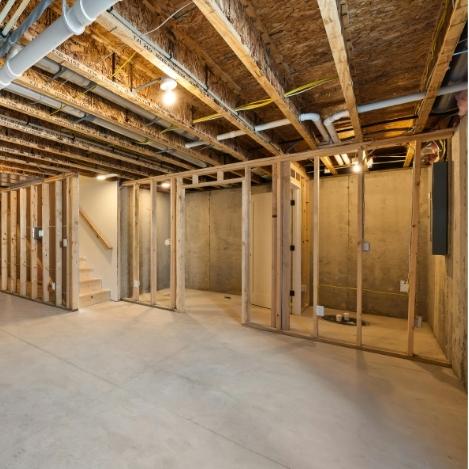
Basements and ground-floor spaces are often the first areas affected when drainage systems cannot carry wastewater away.
From Contamination Control to Safe Restoration
In other words, Sewage cleanup is not simply water extraction. The process must control contamination first, remove materials that cannot be safely restored, thoroughly clean remaining surfaces, and then dry the structure before repairs begin.
01 — Isolate
Restrict access and control the affected area so contaminated water and debris are not tracked into clean spaces.
02 — Remove
Extract wastewater and remove porous materials that are heavily contaminated or cannot be safely restored.
03 — Clean & Dry
Clean and sanitize remaining surfaces, then dry the structure with professional equipment and moisture monitoring.
What We Assess During a Sewage Backup
In fact, We evaluate more than the visible wastewater. For example, Contamination can move under flooring, behind baseboards, into wall cavities, and into stored contents, so the scope must be based on the actual migration path.
We typically assess:
✓ Water source and contamination category ✓ Flooring, underlay, drywall and insulation ✓ Lower wall cavities and framing ✓ Contents within the affected zone ✓ Adjoining rooms and hidden moisture ✓ Areas requiring cleaning, removal, or drying
Our Sewage Backup Cleanup Process
A sewage loss should move through a controlled sequence that separates contaminated areas from clean areas, removes unsafe materials, cleans remaining surfaces, dries the structure, and restores the property only after the affected area is ready for reconstruction.
1. Assess
Identify the source, affected areas, contamination level, and immediate safety controls.
2. Contain
Limit access and isolate the work area so contaminants are not spread through the property.
3. Remove
Extract wastewater and remove porous materials that cannot be safely cleaned or restored.
4. Clean & Dry
Clean and sanitize remaining surfaces, then install drying equipment and monitor moisture.
5. Restore
Repair the affected finishes after cleanup and drying are complete.
Why Proper Sewage Cleanup Matters
Contaminated water can leave residue inside porous materials and concealed spaces even after visible water is gone. As a result, Professional cleaning, material removal where necessary, and controlled drying reduce the chance that the property is left with hidden contamination, odour, or secondary moisture problems.
Documentation for Sewage & Insurance-Related Losses
For insurance-related sewage losses, the restoration file should explain what areas were affected, what materials were removed, how the work area was controlled, and how cleanup and drying progressed. In addition, We document the visible conditions, moisture findings, project photos, equipment use, and the work completed.
Coverage depends on the policy and insurer, but organized records help owners, strata representatives, property managers, and adjusters understand why contaminated materials were removed and how the property moved from cleanup into repair.
Affected Area & Contamination Mapping
Record the rooms, materials, and assemblies affected by the sewage backup and the extent of contamination.
Project Photos & Cleaning Records
Document visible conditions, removal work, cleaning stages, and drying progress throughout the project.
Restoration & Repair Completion
Track the transition from contaminated-water cleanup into reconstruction and final restoration.
Frequently Asked Questions
Is a sewage backup considered contaminated water?
Yes. Sewage and wastewater can contain harmful microorganisms and other contaminants, so the cleanup process requires additional safety controls compared with a clean-water plumbing leak.
What should I do immediately after a sewage backup?
Keep people and pets away from the affected area, avoid direct contact with wastewater, stop using plumbing fixtures if they may worsen the backup, and arrange professional cleanup as soon as possible.
Can I clean a sewage backup myself with household cleaners?
Small surface incidents may be different, but when sewage affects flooring, drywall, insulation, wall cavities, or a larger area, professional assessment is recommended because contamination can remain in porous materials and hidden spaces.
Does sewage-damaged drywall need to be removed?
Often, porous materials that have absorbed sewage or Category 3 water cannot be reliably cleaned in place. Ultimately, the decision depends on the material, extent of contamination, and site conditions.
Can contaminated water travel under flooring?
Yes. Similarly, wastewater can migrate beneath laminate, vinyl, carpet, underlay, and other flooring systems, which is why moisture and contamination assessment should extend beyond the visible puddle.
Do you clean sewage backups in basements?
Yes. Indeed, basements and lower levels are common locations for drain and sewer backups. We assess the affected area, remove contaminated water and materials, clean, sanitize, dry, and complete repairs when required.
How is odour handled after a sewage backup?
In general, odour control begins with removing the source of contamination and cleaning affected surfaces thoroughly. In addition, drying, air filtration, and additional treatment may be used depending on the materials and conditions.
Can sewage backup damage spread into wall cavities?
Yes. Moreover, contaminated water can wick into drywall, insulation, wood, and lower wall cavities. Therefore, selective opening may be necessary to access affected materials and complete the cleanup correctly.
How long does sewage cleanup take?
The timeline depends on the size of the backup, materials affected, contamination, drying conditions, and repair scope. Cleanup and material removal are completed first, followed by monitored structural drying.
Do you use air scrubbers during sewage restoration?
Air-filtration equipment may be used when conditions warrant it as part of controlling airborne particles and maintaining a cleaner work environment during demolition, cleaning, and drying.
Can a sewage backup cause mold later?
Yes. In addition to contamination, sewage introduces significant moisture. If affected materials remain wet, conditions can support mold growth, making thorough drying and monitoring important.
Can Novaco document sewage cleanup for an insurance claim?
Yes. Furthermore, we can document affected areas, photos, moisture conditions, equipment use, removal, cleaning, and restoration work. Coverage decisions remain with the insurer and policy.
Do you handle sewage backups in condos and strata buildings?
Yes. We can coordinate with owners, strata representatives, and property managers when a sewage loss affects a suite, common property, or multiple areas.
Can Novaco complete repairs after the sewage cleanup?
Yes. After contaminated materials have been removed, remaining areas cleaned and dried, Novaco can complete drywall, flooring, trim, paint, and other repairs required to restore the space.
Sewage Backup? Get Professional Help Fast.
In short, call Novaco for controlled sewage cleanup, sanitization, structural drying, and repair across Greater Vancouver and the Lower Mainland.