24/7 Emergency Response

Certified Mold Remediation in Vancouver

Professional Mold Removal for Homes, Condos & Businesses

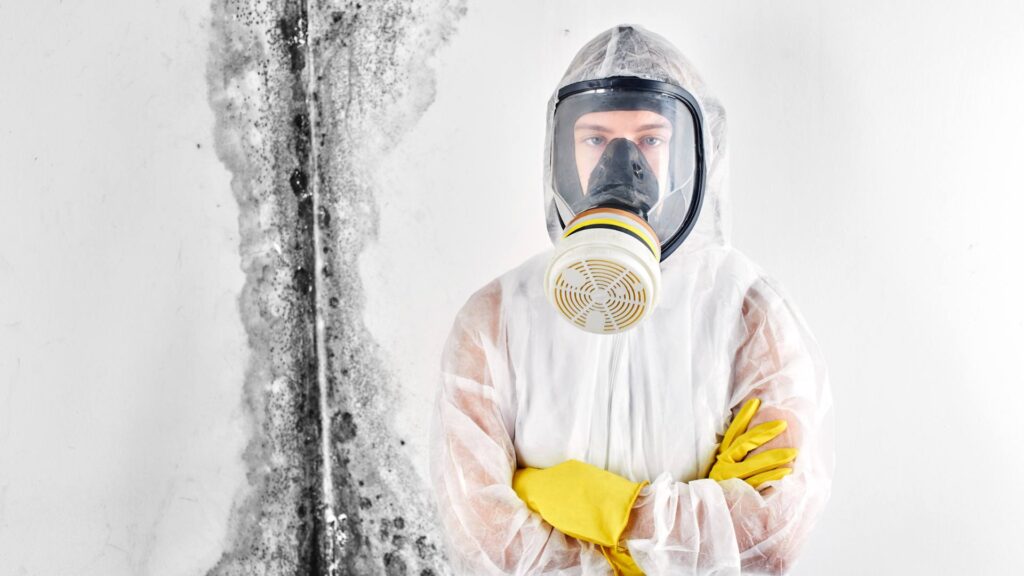
Our certified technicians use HEPA containment, air filtration, and proven remediation methods to safely remove mold and help prevent future growth.

Top rated restoration company in Vancouver with excellent Google customer reviews
IICRC certified mold remediation and restoration company in Vancouver
Proudly Canadian owned and operated restoration company serving Vancouver and the Lower Mainland
Licensed and insured mold remediation and restoration contractor in Vancouver
mold removal in vancouver with novaco restoration 24/7

Why Vancouver Property Owners Choose Novaco

Certified mold remediation and moisture-control services for homes, condos, rental properties, strata buildings, and commercial spaces throughout Vancouver.

24/7 Provide Services

24/7 Emergency services

Mold and moisture problems can worsen quickly after a leak, flood, or plumbing failure. Our Vancouver restoration team is available 24/7 to assess urgent conditions, control moisture, and recommend the appropriate next steps.

Free Estimation and Consultant

Competitive Price
Free stemate

We provide clear estimates based on the affected area, required containment, material removal, drying conditions, and restoration scope. Any additional work is discussed before it begins.

Certified Technician

IICRC Certified Technician

Our certified restoration technicians follow recognized IICRC procedures for moisture assessment, containment, HEPA filtration, controlled material removal, cleaning, and drying.

Insured Assistant

Insurance
Assistance

We help document affected areas with inspection findings, photographs, moisture readings, and a clear scope of work for property owners, strata managers, and insurance representatives.

Trusted by Property Owners Across Greater Vancouver

★★★★★

 STEP-BY-STEP MOLD REMEDIATION

Our Mold Remediation Process

Our certified technicians use a structured remediation process to identify moisture sources, isolate affected areas, remove contaminated materials safely, clean remaining surfaces, and help reduce the risk of recurring mold growth.

We inspect visible and suspected mold areas, check moisture levels, and assess nearby building materials to determine the extent of the problem.

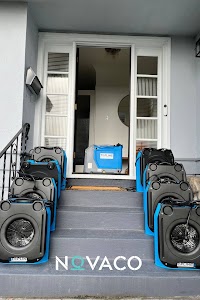
Containment barriers and HEPA-filtered negative air equipment may be installed to help prevent airborne particles from spreading into unaffected areas.

Affected porous materials are removed where necessary, while salvageable structural surfaces are HEPA-vacuumed, cleaned, and treated using appropriate remediation methods.

Final cleaning and mold prevention recommendations after remediation

Fogging & Final Cleaning & Prevention

The work area is cleaned, remaining conditions are reviewed, and practical recommendations are provided to help control moisture and reduce the likelihood of future mold growth.

Need Professional Mold Remediation in Vancouver?

Our certified technicians are available 24/7 to assess mold, moisture, and water-damage concerns throughout Vancouver.

Why Mold Problems Develop in Vancouver Homes

Vancouver’s wet winters, extended periods of rainfall, coastal humidity, and limited ventilation in some homes and condominiums can create favourable conditions for mold growth. Problems commonly develop after plumbing leaks, roof leaks, condensation, window failures, appliance overflows, or water intrusion that was not completely dried.

Common Causes of Mold

Mold usually starts where moisture stays trapped.

Common causes of mold growth in Vancouver homes caused by excess moisture
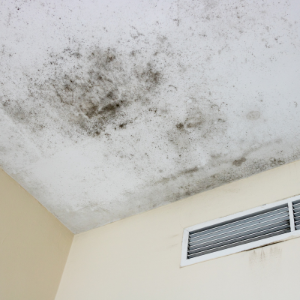
Early warning signs of mold appearing on ceilings and walls

Early Warning Signs

Small signs can point to hidden mold behind walls or flooring.

Property Damage Risks

If mold is not addressed quickly, it can spread and damage building materials.

Structural damage caused by long term mold and moisture exposure
Health risks associated with mold exposure for children and families

Health & Safety Concerns

Mold can affect indoor air quality and may be more concerning for sensitive people.

Novaco provides residential mold remediation for Vancouver houses, condominiums, townhomes, apartments, rental units, and secondary suites. We assess visible and suspected mold, identify moisture conditions, establish containment where required, remove affected porous materials, and clean salvageable structural surfaces.

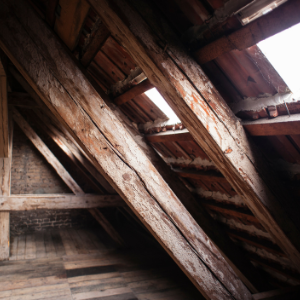
Residential mold commonly develops around bathrooms, kitchens, windows, laundry areas, exterior walls, basements, attics, and areas affected by previous water damage. Our goal is not only to remove contaminated material but also to identify the moisture condition that allowed the problem to develop.

Whether the issue involves a small isolated area or multiple rooms, we provide a clear scope based on the building materials, contamination conditions, access limitations, and required restoration work.

Our commercial mold remediation services support Vancouver offices, retail spaces, restaurants, clinics, warehouses, strata buildings, property-management portfolios, and other occupied commercial properties.

Commercial projects require careful coordination to control dust and airborne particles, protect unaffected areas, manage occupant access, and reduce unnecessary disruption to business operations. Depending on site conditions, our work may include containment, negative air pressure, HEPA filtration, controlled demolition, surface cleaning, moisture monitoring, and final cleaning.

We can coordinate with owners, property managers, consultants, strata representatives, and insurance professionals to document the affected area and establish an appropriate remediation scope.

…

Professional Mold Removal for Homes, Condos & Businesses

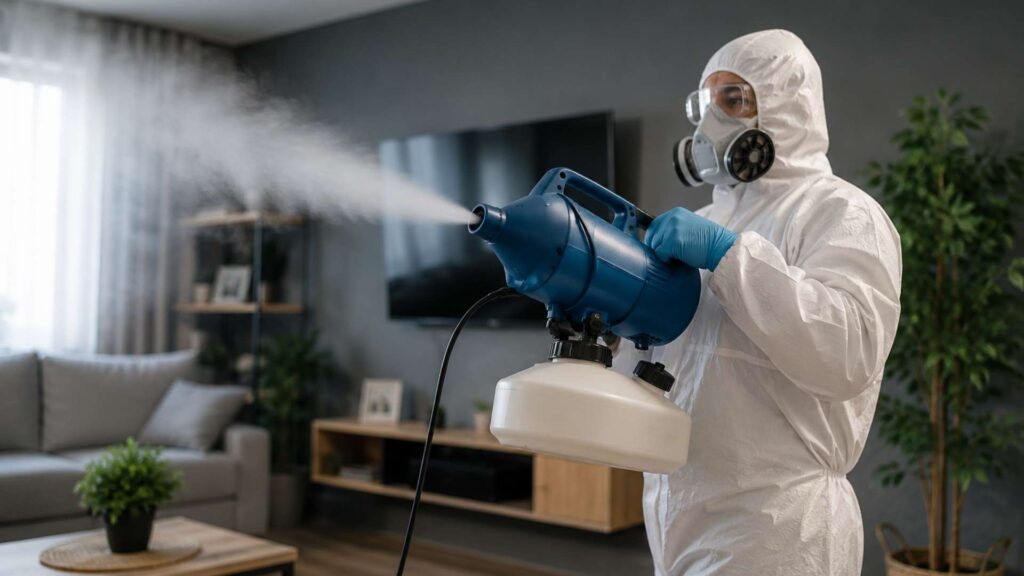
Antimicrobial fogging may be used as a supplementary step during certain mold remediation projects after the source has been addressed and contaminated materials have been removed or cleaned.

A fine application of an appropriate antimicrobial product can help treat difficult-to-access surfaces within a controlled work area. Fogging does not replace physical removal, HEPA vacuuming, containment, surface cleaning, moisture correction, or structural drying.

Fogging may be considered after affected materials have been removed or cleaned and the work area has been properly contained.

It applies a fine antimicrobial mist to accessible and difficult-to-reach surfaces within a controlled remediation area.

Benefits of Fogging

When properly selected and applied, fogging may supplement surface treatment following physical mold removal and HEPA cleaning.

Important Note

Fogging does not replace containment, removal of contaminated materials, source correction, HEPA cleaning, or drying.

Antimicrobial fogging treatment during professional mold remediation process

Why Fogging Is Not a Standalone Mold Solution

Professional mold remediation requires source removal, containment, HEPA filtration, moisture control, and final cleaning. Fogging is used as a supplementary treatment to help reduce airborne spores and improve indoor air quality after remediation work has been completed.

Professional mold remediation and indoor air quality improvement services

Professional Mold Remediation Vancouver

Novaco Restoration combines antimicrobial fogging with IICRC-based mold remediation procedures to help homeowners, businesses, strata corporations, and property managers address mold contamination safely and effectively.

Types of Mold Commonly Found in Vancouver Properties

The colour or appearance of mold does not reliably determine its species or potential impact. Different types of mold can develop wherever moisture, suitable temperatures, and organic building materials are present. Laboratory testing may be recommended when identification is necessary for a specific project.

Black Mold (Stachybotrys)


Dark-coloured mold may appear on drywall, wood, insulation, window frames, or other damp building materials. Its appearance alone cannot confirm the species. The appropriate response is to identify the moisture source, assess the affected area, and remove or clean contaminated materials using proper containment procedures.

White Mold


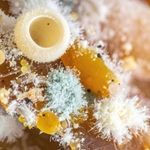
White mold can appear as powdery, fuzzy, or patchy growth on wood, drywall, insulation, furniture, and other materials. It may sometimes be confused with mineral deposits or surface residue, so professional inspection or testing may be useful when the condition is unclear.


Aspergillus & Penicillium


Aspergillus and Penicillium are commonly identified indoor mold groups and may develop on damp drywall, insulation, dust, fabrics, and other materials. Visual appearance alone is not sufficient for reliable species identification.


Our certified technicians are available 24/7 across Greater Vancouver. Call now for immediate assistance and a free consultation.

Common Mold Problems Found in Vancouver Homes

Areas Most Affected by Mold

Mold may develop in areas where moisture remains trapped or ventilation is limited. In Vancouver properties, recurring problem areas include bathrooms, laundry rooms, window assemblies, exterior walls, kitchens, attics, basements, crawl spaces, and areas previously affected by water damage.

Common Causes of the Mold

Mold problems usually begin with unresolved moisture. Common causes include plumbing failures, roof leaks, window leaks, condensation, inadequate ventilation, appliance overflows, elevated humidity, and incomplete drying after a flood or water-loss event.

Sign of Mold - You neeed Mold Clean-up

Visible mold is only one indication of a potential problem. Persistent musty odours, recurring stains, soft drywall, peeling paint, damp flooring, or previous water damage may indicate hidden contamination.

Area We Serve

Novaco Restoration provides professional mold remediation, mold inspection, black mold removal, HEPA filtration, containment, and emergency restoration services across Greater Vancouver and the Lower Mainland.

Professional mold remediation, black mold removal, and moisture investigation services for homes, condos, strata buildings, throughout Vancouver and Downtown of Vancouver

Fast mold remediation, mold inspection, and indoor air quality solutions for homes, apartments, townhouses, and commercial properties across North Vancouver communities.

Certified mold removal, attic mold remediation, and moisture control services for residential homes, luxury properties, and commercial buildings throughout West Vancouver.

Professional mold inspection, containment, HEPA filtration, and remediation services for Burnaby homes, strata corporations, office spaces, and commercial properties.

Complete mold remediation, black mold removal, and moisture management solutions for Richmond homes, condominiums, strata buildings, and commercial facilities.

24/7 mold remediation, mold inspection, and water damage related mold cleanup services for Surrey residential properties and commercial buildings.

Professional mold removal, moisture detection, and remediation services for Coquitlam homes, basements, bathrooms, crawlspaces, and …

Certified mold remediation and indoor air quality improvement services for New Westminster homes, apartments, rental units, and businesses.

Reliable mold remediation, moisture mapping, and HEPA cleaning services for Port Moody homes, townhouses, and commercial properties.

Mold inspection, black mold removal, and professional remediation services for Langley residential homes, buildings, and businesses.

Don't See your area?

We May still be able to help! Contact us today to confirm services availability in your location.

Mold remediation graphic

Frequently Asked Questions About Mold Remediation in Vancouver

How do I know if I need mold remediation?

Many homeowners first notice musty odours, allergy symptoms, condensation, or staining on walls before they ever see visible mold growth. Other warning signs include peeling paint, bubbling drywall, increased indoor humidity, or a history of water damage. Because mold often grows behind walls, under flooring, and inside ceiling cavities, a professional inspection using moisture meters and thermal imaging is often the best way to confirm whether remediation is necessary.

Not all mold species present the same level of risk, but any indoor mold growth should be taken seriously. Even common household molds can negatively affect indoor air quality and may trigger allergies, respiratory irritation, or discomfort in sensitive individuals. The level of concern usually depends on the amount of contamination, the location of the mold, and the duration of exposure rather than the species alone.

Black mold, often referred to as Stachybotrys, is one of the better-known mold species because it is commonly associated with long-term moisture problems and water damage. While black mold receives more attention than other types, many molds can create similar indoor air quality concerns when left untreated. The most important factor is proper containment, removal, and moisture correction regardless of the mold species involved.

Yes. Hidden mold growth is extremely common in Vancouver homes, especially after plumbing leaks, roof leaks, or long-term humidity problems. Mold frequently develops behind drywall, under flooring, inside insulation, and above ceilings where moisture remains trapped. This is why professional inspections often include moisture readings and thermal imaging to identify hidden areas of concern.

Most residential mold remediation projects take between one and five days depending on the size of the affected area, the amount of demolition required, drying conditions, and whether multiple rooms are involved. Larger projects involving attics, crawlspaces, or commercial spaces may require additional time.


Mold can return if the original moisture source is not corrected. Successful mold remediation focuses not only on removing contamination but also on addressing the underlying issue, whether it is a plumbing leak, roof problem, condensation, or poor ventilation. Moisture control is the most important step in long-term prevention.

Yes. Our technicians regularly remove black mold, white mold, attic mold, crawlspace mold, and other common indoor mold species found throughout Vancouver homes and commercial properties. Every project follows industry-standard containment, HEPA filtration, and cleaning procedures to minimize cross-contamination.


Insurance coverage depends on the cause of the mold damage and the specific terms of your policy. Sudden and accidental water damage events may be covered, while long-term maintenance issues or ongoing moisture problems are often excluded. We regularly work with homeowners, strata corporations, property managers, and insurance adjusters throughout Metro Vancouver.


Mold removal usually refers to cleaning or removing visible mold growth. Mold remediation is a more complete process that includes identifying the moisture source, containing affected areas, using HEPA filtration, removing contaminated materials when necessary, and helping prevent future growth. Professional remediation addresses both the mold and the conditions that allowed it to grow.


Yes. We provide professional mold inspections, moisture investigations, thermal imaging assessments, and can arrange laboratory testing when required. Testing is not always necessary, but it may be recommended when occupants have health concerns, the contamination is extensive, or confirmation of the mold type is required.


No. Fogging is considered a supplemental treatment and should never replace proper containment, HEPA cleaning, source removal, or drying. While antimicrobial fogging may help reduce airborne spores and odors, successful mold remediation always focuses on removing contaminated materials and correcting moisture issues first.


Bathrooms, attics, crawlspaces, basements, laundry rooms, utility rooms, and areas affected by previous water damage are among the most common locations for mold growth. Vancouver’s coastal climate and high humidity levels make these areas particularly vulnerable when ventilation or drainage is inadequate.


Mold exposure may contribute to irritation, allergy symptoms, headaches, coughing, or respiratory discomfort in some individuals. Children, seniors, people with asthma, and individuals with existing respiratory sensitivities are often more affected by poor indoor air quality associated with mold contamination.


The cost of mold remediation depends on the size of the affected area, accessibility, the extent of contamination, and whether demolition or drying is required. Small localized projects may be relatively inexpensive, while larger attic or multi-room remediation projects require a more comprehensive approach. An inspection is usually the best way to determine the scope and cost accurately.

Our emergency response team is available 24/7 throughout Vancouver, North Vancouver, West Vancouver, Burnaby, Richmond, Coquitlam, Surrey, and surrounding areas. In many cases we can attend the property within 45 to 60 minutes for urgent situations involving active water damage or suspected mold contamination.


In many cases, homeowners can remain in the property during mold remediation, especially when the affected area can be properly isolated using containment barriers and negative air pressure systems. However, larger projects involving multiple rooms, extensive demolition, or individuals with respiratory sensitivities may require temporary relocation for comfort and safety. Our team evaluates each project individually and provides recommendations before work begins.


Small surface mold affecting very limited areas can sometimes be cleaned safely by homeowners. However, larger contamination, recurring mold growth, hidden mold behind walls, or mold caused by water damage should be handled by professionals. Improper cleaning can spread spores throughout the property and may make the problem worse rather than better.


Mold exposure may contribute to allergy symptoms, coughing, headaches, sinus irritation, eye irritation, and respiratory discomfort in some individuals. Children, seniors, people with asthma, and those with weakened immune systems are often more sensitive to poor indoor air quality associated with mold contamination. The severity of symptoms depends on the level of exposure and individual sensitivities.


Yes. Our team regularly performs black mold removal throughout Vancouver, North Vancouver, West Vancouver, Burnaby, Richmond, Coquitlam, and surrounding areas. We follow professional mold remediation procedures including containment, HEPA filtration, controlled demolition when required, and moisture correction to safely remove contamination and help prevent recurrence.


No. Mold fogging should be considered a supplemental treatment rather than a standalone solution. While antimicrobial fogging may help reduce airborne spores and odors, successful mold remediation always requires moisture control, source removal, containment, and HEPA cleaning. Fogging is most effective when used as part of a complete remediation strategy.


If you suspect mold growth in your home or business, it is best to contact an experienced mold remediation company that follows industry standards for containment, air filtration, and moisture investigation. Professional assessment can help determine the extent of contamination, identify the moisture source, and provide a clear remediation plan before the problem spreads further.